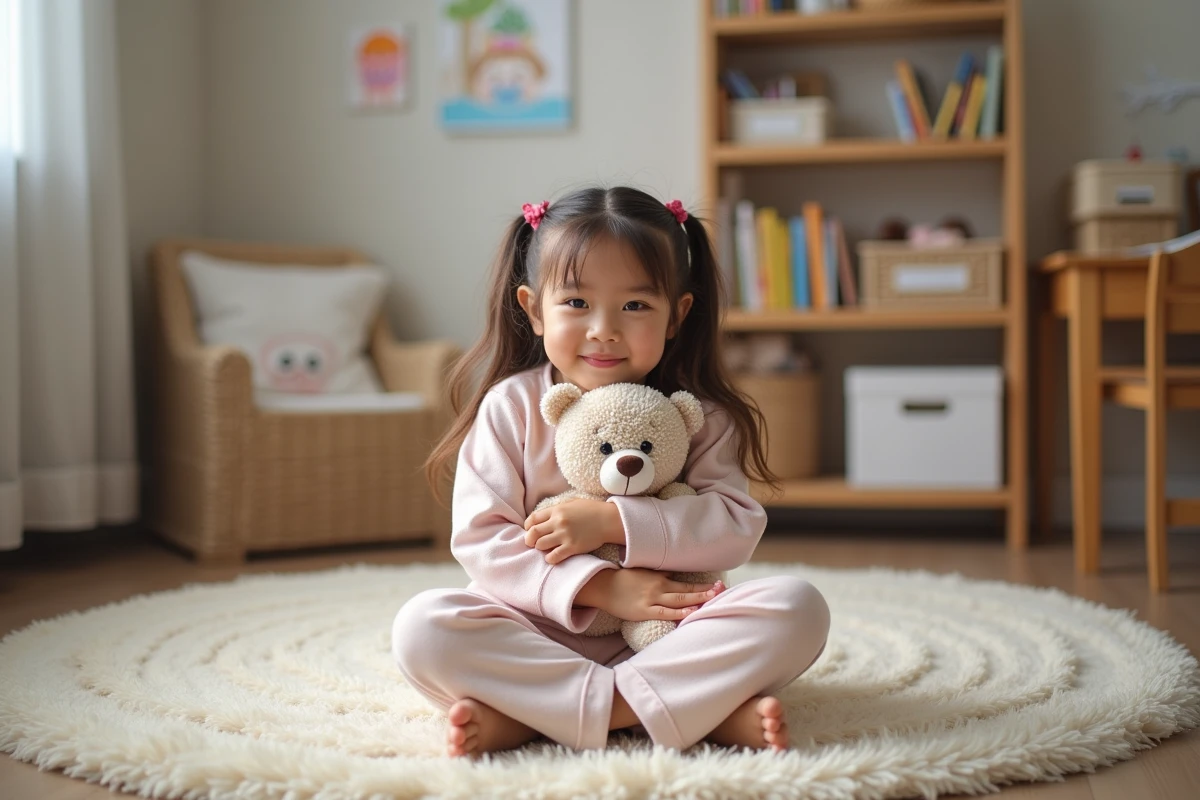
One in three children reports lacking moments of calm or relaxation at home, according to a survey conducted by the Parenting Observatory. Yet, the benefits of well-being activities continue to be validated by research, regardless of age or family context.
Some simple practices, often overlooked in daily life, can improve emotional balance and the quality of relationships. Others, more structured, adapt to different rhythms and needs while remaining accessible. The options vary, as do their effects.
Why well-being and tenderness are essential for children’s development
A child’s happiness is shaped by the repetition of gestures, attentions, and enveloping looks. This climate of gentleness, this feeling of safety at home, forges emotional balance from early childhood. Professionals agree: learning to manage emotions begins early and paves the way for harmonious development. A parent who guides their child in recognizing their feelings, who puts words to their emotions, builds the foundations of lasting trust and strengthens self-esteem.
The bonds woven in tenderness become the foundation of a more peaceful social life. Knowing how to interact, exchange, and decode others reduces withdrawal, anxiety, or distress. Providing a framework where the child feels protected without being smothered allows them to gain autonomy and dare to explore the world. Too much protection, conversely, hinders flight, weakens confidence, and fuels tensions.
The parent’s attitude plays a central role. Smiles, encouraging words, and non-judgmental listening: these small attentions strengthen the bond and give the child a sense of inner security. Neuroscience confirms it: every moment of kindness affects the brain, releasing chemical messengers such as oxytocin, which amplify well-being. The site douceurdenfance.fr gathers numerous resources on the importance of an environment filled with affection and curiosity to support each child in their development.
Which games and activities to prioritize by age to cultivate gentleness in daily life
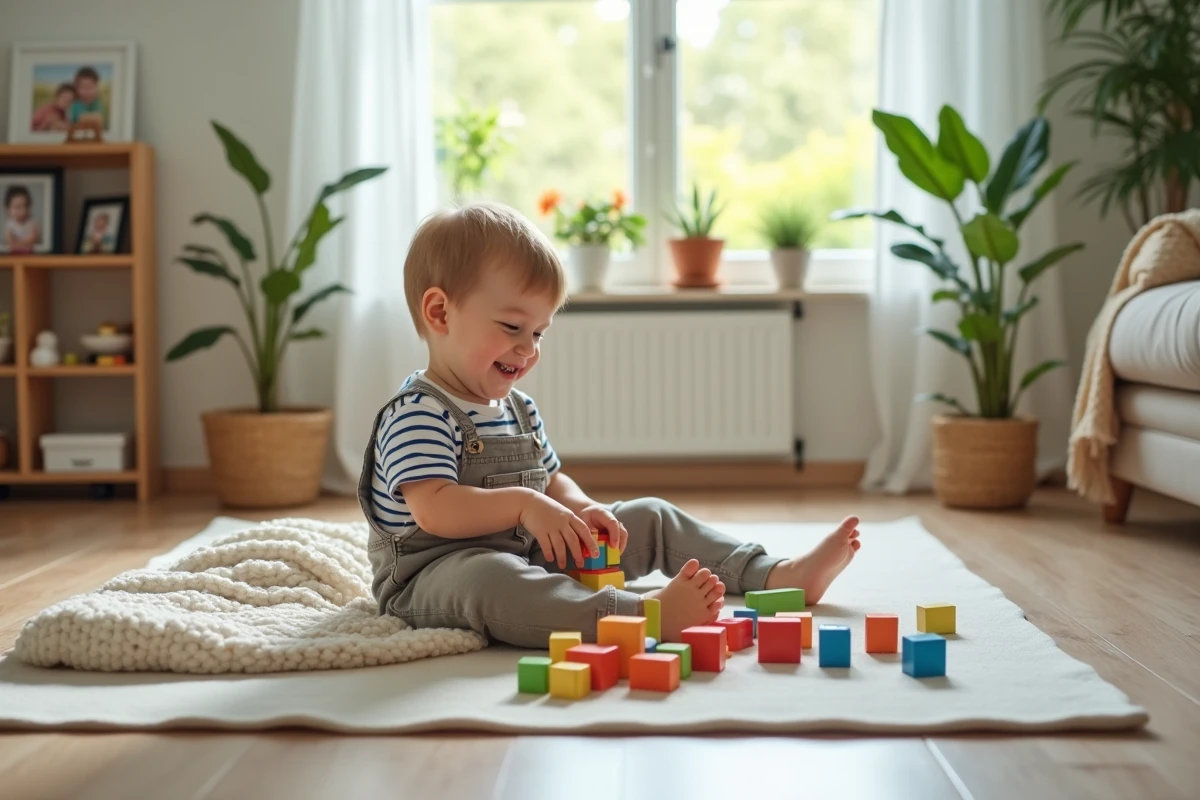
Stimulating creativity and awakening the senses from a young age is a powerful lever to install gentleness at the heart of daily life. For babies, sensory games, touching different textures, listening to varied sounds, and manipulating brightly colored objects open the door to discovery and wonder. A play mat, soft fabrics, and hanging mobiles create a reassuring and warm space.
As they grow, children are eager to explore. From preschool, prioritizing role-playing games, drawing, modeling clay, or music allows everyone to express themselves, imagine, and invent. Board games, chosen according to age, invite sharing, teach emotional management, and respect for others. This is where shared memories are built, those bursts of laughter that bond the family.
For older children, physical activity becomes a wonderful ally. Whether it’s yoga, motor courses, or simply walks in nature, these moments link the need to move with the desire to refocus. They promote good humor, stimulate memory, and provide a reassuring rhythm to the day. Approaches like mindfulness or sophrology, accessible from primary school, provide concrete tools to soothe stress, tame emotions, and establish a serene atmosphere at home.
Here are some ideas for adapting activities at each stage:
- Sensory games for babies: touch, listen, manipulate.
- Creative activities and role-playing games for preschool.
- Board games from age 5-6 for sharing.
- Yoga, nature, sophrology for older children.
Adapting the choice of games and varying the proposals offers each child a stimulating environment, where attention to their needs creates a warm atmosphere conducive to their development.
Simple ideas to integrate well-being into family life, day after day
Family well-being is rooted in routine, sometimes discreet but decisive. Preparing a meal together, without screens or haste, where everyone shares their day, successes, or frustrations, transforms the table into a space for listening and strengthens trust. According to the work of Nicolas Chevrier and Isabelle Filliozat, this type of ritual supports emotional balance and children’s autonomy.
At dusk, think of the resting space as a reassuring cocoon: soft lighting, pleasant sheets to the touch, calming colors on the walls, a cabin bed designed as a refuge. Evening routines, shared reading, cuddles, and a sweet note encourage relaxation, stimulate oxytocin, and leave a comforting trace in the child’s memory.
Complicity is also nourished by small improvised activities. Invite the child to suggest an idea, then embark together on a creative workshop, a trip to the park, or an invented game. These shared moments activate pleasure circuits and strengthen daily bonds. Specialists like Stéphanie Deslauriers or Nadège Pétrel remind us that it is in the sincerity of these simple exchanges that the child draws their resources.
Here are some habits to cultivate to weave strong bonds:
- Family meals to strengthen ties
- Evening rituals to create a warm atmosphere
- Shared activities to cultivate joy and autonomy
When tenderness settles into daily gestures, it shapes a happy, solid, and vibrant memory, where each child finds their place and moves forward with confidence.