
The health of a pet relies on a set of technical gestures and decisions made well before any symptoms appear. Diet, parasite prevention, veterinary follow-up, and living conditions form a foundation where each element influences the others. Understanding these interactions allows for precise actions rather than multiplying generic precautions.
Legal status of the animal and obligations of the owner
Before even discussing kibble or vaccines, the first question concerns the legal framework. Among the most concrete measures: the ban on selling dogs and cats in pet shops, effective from January 1, 2024, accompanied by specific penalties.
This point has a direct consequence on acquisition. Buying a dog or cat now goes through a registered breeder or a shelter. Checking the seller’s compliance, their SIREN number, and the socialization conditions of the animals offered is a non-negotiable prerequisite.
For exotic animals (reptiles, amphibians, birds, small mammals), regulations have also evolved. The owner must verify the legal status of the species before any acquisition, have suitable facilities, and prevent risks of escape or transmission of diseases. The advice applicable to a cat does not apply to a bearded dragon or an axolotl: each species has its own physiological and environmental needs.
Finding detailed sheets by species and by type of pathology helps structure this approach. On this point, the care on Univers Animaux covers a wide range of situations, from kittens to reptiles.
Parasite prevention and vaccination schedule for dogs and cats
Prevention relies on two distinct pillars that operate in parallel: antiparasitic treatment and vaccination. Confusing them or neglecting one in favor of the other exposes the animal to avoidable risks.
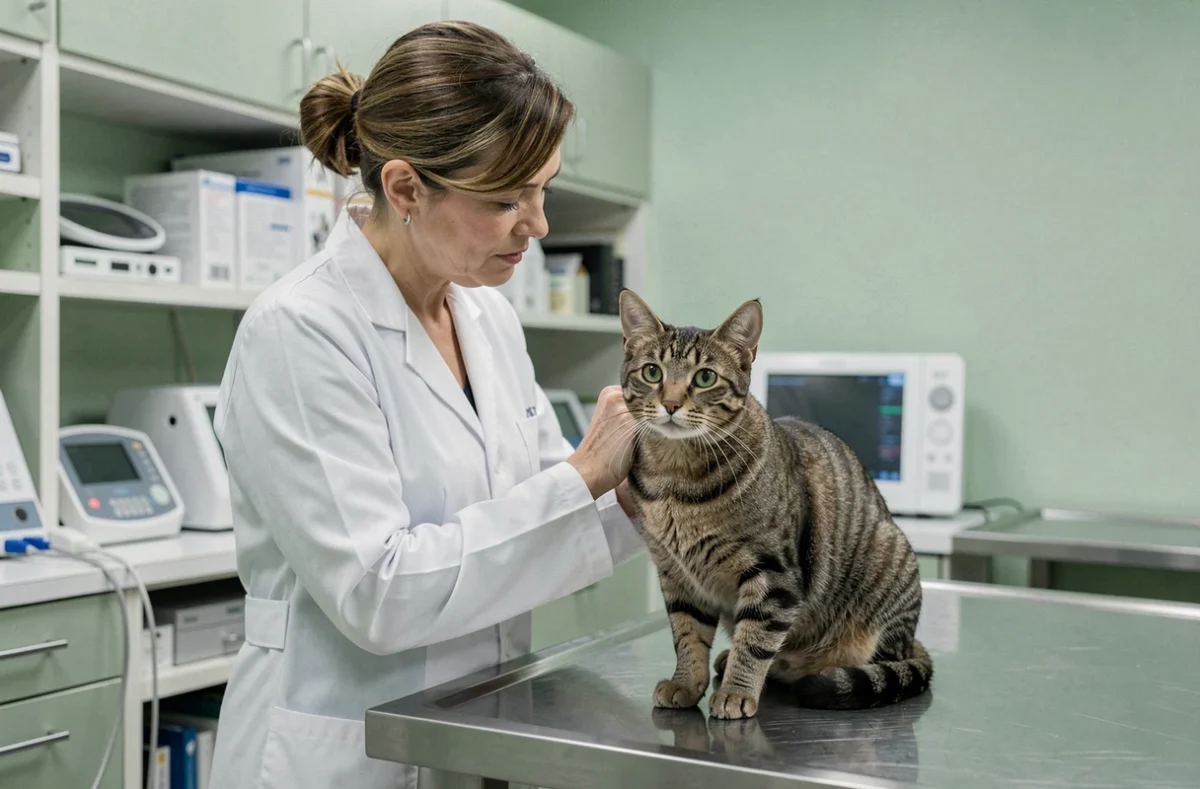
External and internal parasites
Fleas, ticks, lice, and mosquitoes are the most common external parasites. Internal parasites (roundworms, flatworms) often go unnoticed until the infestation causes digestive issues or weight loss. A regular antiparasitic treatment covers both fronts, but the frequency and product vary according to species, lifestyle (indoor or outdoor), and geographical area.
After each walk, inspecting the coat allows for spotting ticks and grass awns. Grass awns, those small spikes from grasses, can migrate under the skin or into the ear canals and cause abscesses if not removed quickly.
Vaccination: what each injection protects against
The vaccination record is not an administrative formality. Each vaccine (Canine Distemper, parvovirus, leptospirosis in dogs, typhus, cat flu, leukemia in cats) targets a specific pathogen. A missed booster shot can break the immune coverage and expose the animal to a serious infection.
The veterinarian tailors the protocol to the animal’s profile. An exclusively indoor cat does not have the same vaccination needs as a cat that goes outside daily. Requesting a personalized schedule remains the best approach.
Appropriate diet: beyond the standard bowl
Diet is not just about choosing between kibble and wet food. The determining criterion is the match between the ration and the animal’s physiological profile: age, breed, activity level, health status, possible sterilization.
A sterilized animal sees its energy needs decrease significantly. Without adjusting the ration, weight gain occurs within a few months and leads to joint, heart, or metabolic complications. This link between sterilization and overweight is one of the most documented in veterinary medicine.
- Ensure that the composition lists an animal protein source as the first ingredient, not grains or plant by-products.
- Adjust the daily quantity to the animal’s target weight, not its current weight if it is already overweight.
- Split meals (two to three times a day for an adult dog) rather than leaving food out for free access, which encourages overeating.
- Renew fresh water daily and keep the bowl clean to limit bacterial proliferation.

Oral hygiene and often neglected routine care
Tartar affects the majority of dogs and cats after a few years of life. Without intervention, it leads to gingivitis, tooth loss, and infections that can spread to internal organs via the bloodstream.
Brushing your pet’s teeth with an appropriate product remains the most effective preventive gesture. Alternatives exist: chew sticks, suitable bones, dental sticks. The veterinarian can also perform a scaling under anesthesia when the buildup is too advanced.
The eyes and ears deserve the same regular attention. Persistent eye discharge or an unusual smell in the ear canal often signals an early infection. Cleaning these areas with suitable solutions (never use cotton swabs in the ear) limits complications.
Puppy shows and impulsive purchases: an underestimated health risk
Puppy shows and animal sales fairs continue to pose health and behavioral problems.
For a future owner, favoring a breeding facility or shelter where one can observe living conditions allows for checking the puppy’s socialization, its apparent health status, and the seller’s transparency. An animal acquired in an event-based sales context presents more risks of behavioral issues related to early stress.
- Request the complete health record, including vaccinations and antiparasitic treatments already performed.
- Check that the seller has a SIREN number and complies with the ban on selling dogs and cats in pet shops.
- Observe the animal’s behavior in its breeding environment before making a decision.
The health of a pet is built from the moment of acquisition and maintained through regular actions, none of which compensates for the absence of another. An up-to-date vaccination schedule does not exempt from an appropriate diet, and daily hygiene does not replace structured veterinary follow-up. The initial choice of acquisition location often conditions the health trajectory for the following years.