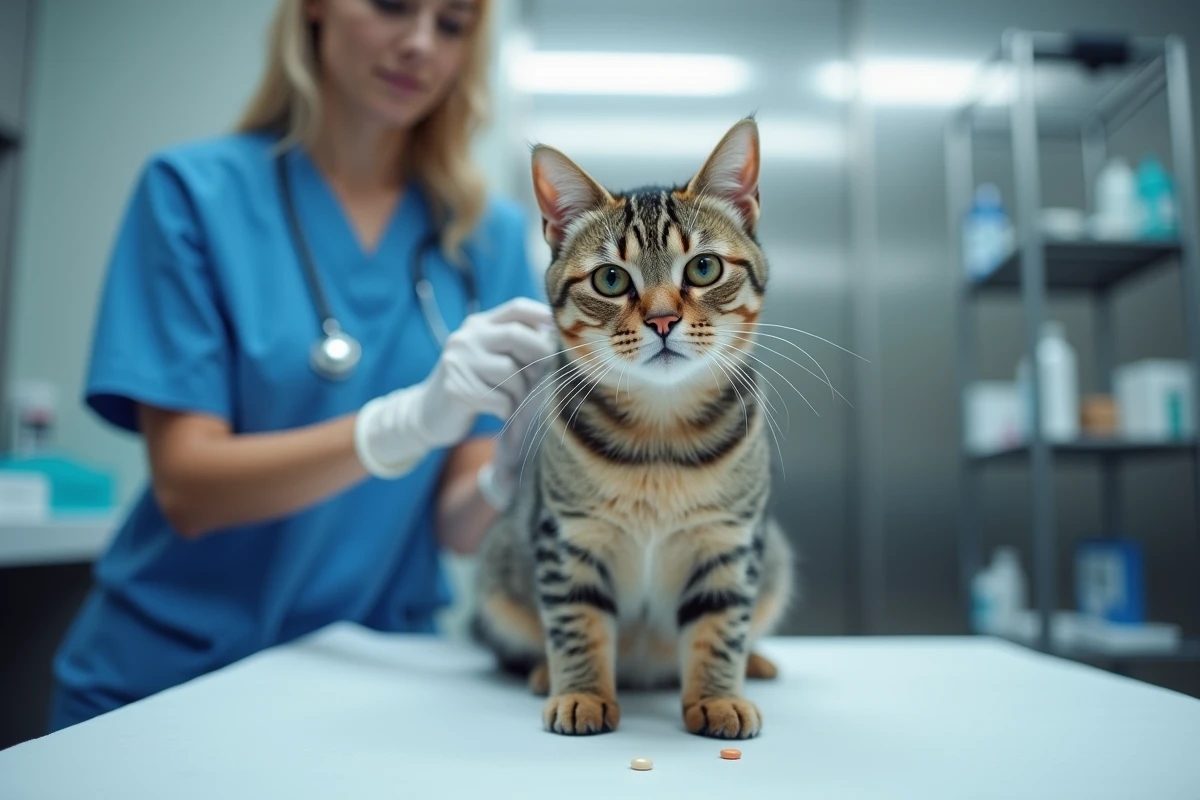
Clavaseptin combines amoxicillin and clavulanic acid in a fixed ratio of 4:1. This combination targets bacterial strains that produce beta-lactamases, which are frequently involved in skin and urinary infections in cats. The medication, manufactured by Vetoquinol, is available in scored tablets of various dosages, with 50 mg and 62.5 mg being the most commonly used in cats.
Antibacterial spectrum of Clavaseptin and limitations in cats
Clavulanic acid restores the activity of amoxicillin against resistant strains that produce beta-lactamases. In feline practice, the targeted bacteria include Staphylococcus spp., Pasteurella spp., Streptococcus spp., and Escherichia coli. This spectrum covers the majority of germs isolated during superficial skin infections, bite wounds, and lower urinary tract infections.
However, we note that this spectrum does not cover bacteria that are intrinsically resistant to penicillins, nor Pseudomonas. Prescribing Clavaseptin for recurrent chronic pyoderma without a sensitivity test is akin to gambling, with a real risk of selecting resistant strains. The EMA/CVMP recommendations on the responsible use of antimicrobials in veterinary medicine now emphasize that the amoxicillin-clavulanic acid combination should no longer be prescribed by default, but only after strong suspicion or bacteriological confirmation.
To learn everything about Clavaseptin with Animal Time, the distinction between reasoned empirical use and systematic prescription remains a central point to understand before starting treatment.
Dosage of Clavaseptin in cats: dosage and duration of treatment
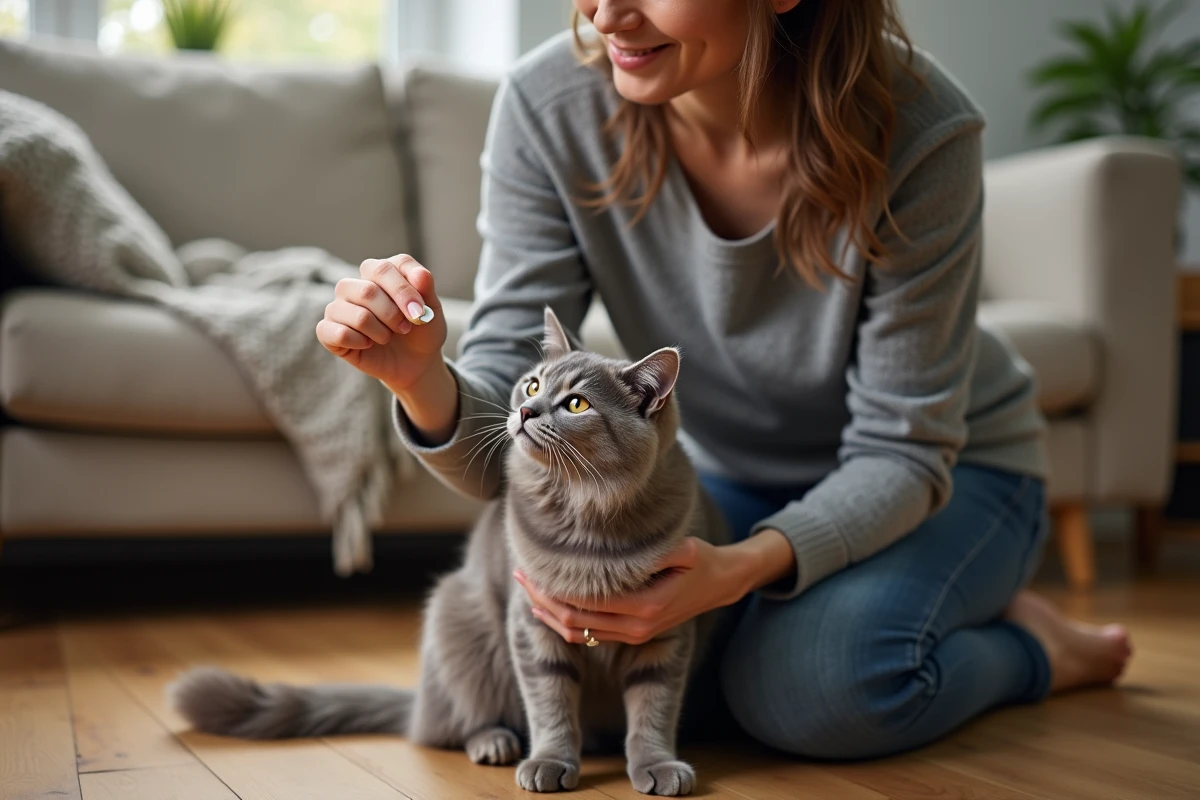
The recommended dose for cats is 12.5 mg per kg of body weight, twice a day, which is 10 mg/kg of amoxicillin and 2.5 mg/kg of clavulanic acid per dose. This division into two daily administrations maintains an effective plasma concentration against susceptible germs.
The 50 mg tablet (containing 40 mg of amoxicillin and 10 mg of clavulanic acid) is suitable for cats weighing 3 to 5 kg. For a 4 kg cat, one whole tablet morning and evening covers the target dosage. The score on the tablet allows for dosage adjustment for lighter cats, but we recommend weighing the animal accurately to avoid any underdosing, which promotes the emergence of resistance.
Duration of treatment according to indication
Skin infections generally require prolonged treatment. For uncomplicated lower urinary infections, the duration tends to shorten in current practice. Regulation (EU) 2019/6 on veterinary medicines, fully applicable since 2022, encourages practitioners to reduce the duration to the strict necessary rather than systematically applying the maximum duration from previous product summaries.
Premature discontinuation of treatment by the owner remains a frequent issue. As soon as symptoms regress (often after three or four days), there is a strong temptation to stop Clavaseptin. Early cessation exposes the cat to relapse and the selection of resistant bacteria.
Digestive side effects and feline pharmacovigilance
The annual veterinary pharmacovigilance reports from ANSES (2022-2023) document an increase in reports of digestive side effects in cats receiving amoxicillin-clavulanic acid. Vomiting and diarrhea dominate the reports, particularly in animals that are already weakened or receiving multiple medications simultaneously.
Cats are more sensitive than dogs to gastrointestinal disturbances under oral antibiotics. Their intestinal microbiota, which is less diverse, tolerates prolonged disturbances poorly. Administering the tablet during or just after a meal reduces the incidence of vomiting without significantly altering the absorption of the active ingredient.
- Vomiting within hours of administration: split the dose by giving it with a small amount of palatable food
- Persistent diarrhea beyond 48 hours: contact the veterinarian to assess the need to continue treatment or change the molecule
- Allergic reaction (facial swelling, generalized itching): immediate cessation and emergency consultation, this type of reaction is rare but imposes a definitive contraindication to penicillins
ANSES emphasizes the systematic reporting of adverse effects by veterinarians and owners, including for digestive disturbances deemed mild. This data feeds into the ongoing reevaluation of the benefit-risk ratio of the medication.
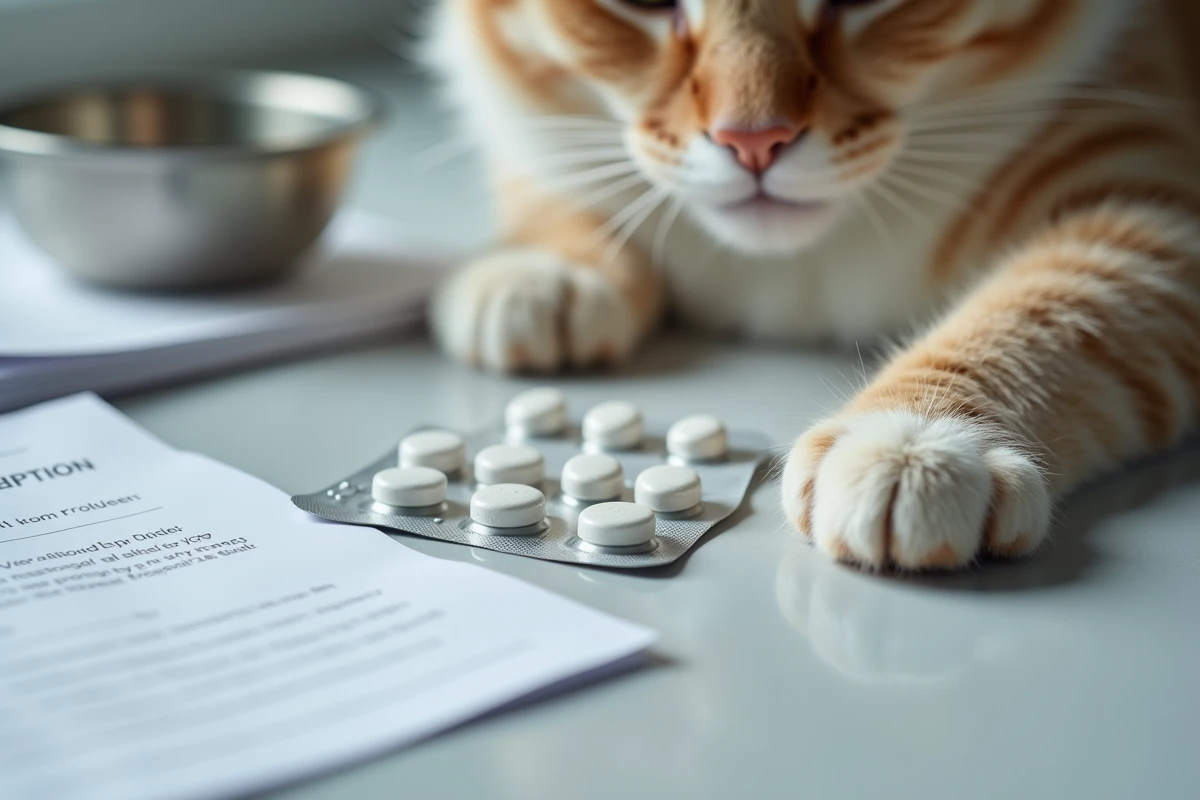
Clavaseptin and antibiotic resistance: current regulatory constraints
Potentiated amoxicillin is classified among the antibiotics in category D (“caution”) by the EMA, allowing its use as a first-line treatment. This classification does not exempt from clinical reflection. European recommendations encourage reserving combinations with beta-lactamase inhibitors for situations where amoxicillin alone would be insufficient.
In practice, this means that an uncomplicated feline cystitis should not systematically lead to a prescription of Clavaseptin if amoxicillin alone covers the suspected germs. The sensitivity test remains the preferred tool to guide prescription, especially in cases of recurrent infection or partial response to initial treatment.
Regulation (EU) 2019/6 further strengthens the traceability of antimicrobial prescriptions. Member States now collect usage data by species, which will gradually allow for measuring the actual consumption of amoxicillin-clavulanic acid in cats and adjusting national recommendations.
Practical administration in daily life
The Clavaseptin tablet is flavored to facilitate acceptance, but cat owners know that the palatability claimed by the manufacturer does not guarantee spontaneous intake. Crushing the tablet into a ball of wet food remains the most reliable method. Avoid dissolving it in drinking water: the dosage becomes imprecise and clavulanic acid degrades rapidly in aqueous solution.
Clavaseptin does not require refrigeration as long as the box remains closed. Once the tablet is scored, the remaining half should be used within 24 hours or discarded, as the stability of clavulanic acid drops quickly after breaking the coating.