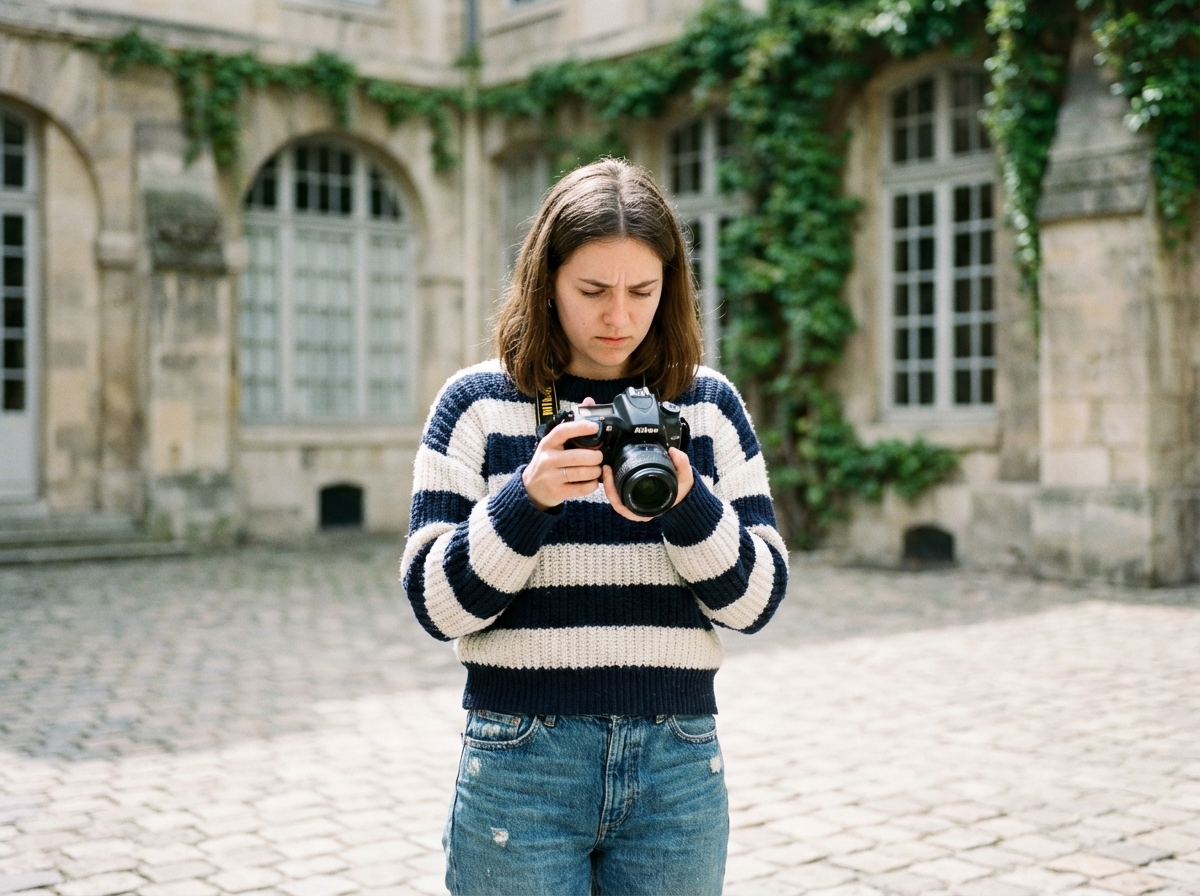
Some figures don’t lie: fewer than 15% of candidates make it through the doors of the most selective photography schools in France. Here, there is no mandatory diploma to teach, but selection often starts right at the threshold. A solid portfolio, a demanding interview, and, for public institutions, places are counted out drop by drop. The landscape is varied: public programs accessible just after the baccalaureate, private training that approaches 8,000 euros per year, and short internships that are highly sought after, with satisfaction remaining high according to the latest studies from the Ministry of Culture. From one institution to another, comparisons are made regarding diploma recognition, pedagogical specifics, and, of course, access to cutting-edge equipment.
Overview of Photography Training and Schools in France
From Paris to Marseille, the offer of photography training is never at a standstill: university programs, recognized schools, private institutions, workshops, or short courses. Everyone finds material to fuel their ambitions, whether aiming for technical mastery or the affirmation of a personal style. At the ENSP in Arles, the DNSP (Diplôme National Supérieur de la Photographie) serves as a key to entering the professional world, but other public and private institutions shine throughout the territory.
The urban landscape is full of notable addresses in the sector: Paris, Lyon, Bordeaux, Nice, Saint-Denis… Not to mention the strong regional footprint. In Toulouse, the ecole photo toulouse builds its reputation through a strong artistic demand and a genuine anticipation of contemporary image usage.
All these schools share a common point: they focus on practice. From the first months, students conduct shoots, build their first portfolio, and get acquainted with tools like Adobe Photoshop or Lightroom. Internships in companies punctuate the years, fostering true immersion in professional daily life. Often, additional modules in project management, editing, and art direction allow for various career paths: author photography, photojournalism, advertising creation, or roles in institutions.
What Criteria to Compare to Choose the Best Option for Your Profile?
Before committing to a photography training program, it’s best to know where you want to step in. You might seek an officially recognized diploma, prepare for the job market, solidify your portfolio, or simply enrich your visual culture. For each project, paths diverge, and selection looms: application, portfolio, sometimes an interview. This is where many journeys are determined.
Professional training continues to attract employees and freelancers eager to add a skill to their repertoire, sometimes during a full career change. The training offered varies: in-person, distance learning, or hybrid modes depending on availability. Beginners often benefit from private lessons or weekly workshops, essential for progressing at their own pace. The choice of format, intensive internship, long program, evening workshops, shapes the experience above all.
To help you navigate, these criteria allow for comparing different options:
- Entry Level: most schools and organizations cater to students, employees, freelancers, or self-taught individuals, each with an adapted path
- Aim: professionalization, career change, creative training, or building a solid portfolio
- Teaching Methods: group classes, workshops, certified or non-certified training, real-world internships
- Support: follow-up by a designated instructor, access to professional equipment, connections with industry institutions
The profession is qualifying year after year, and expectations are evolving too. To boost your learning, you need to invest in your portfolio, carefully analyze the programs offered, and assess the emphasis placed on internships in real professional conditions. The landscape of training is vast, conducive to building a path that perfectly aligns with your history and objectives.
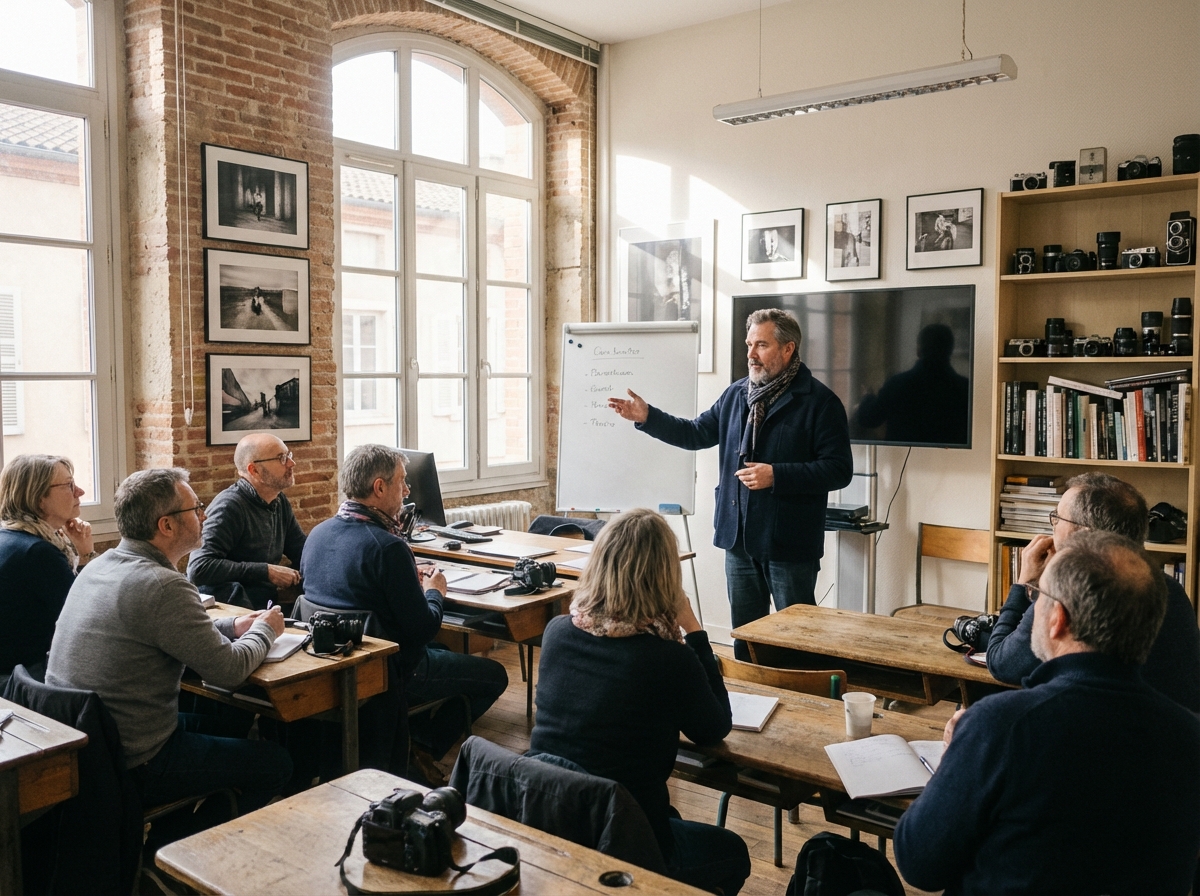
Focus on Essential Institutions and Internships for Rapid Progress
Participating in an intensive photography internship or immersing yourself in a workshop is betting on efficiency: concrete progress, exploration of pure technique, and initial practical experiences. The most reputable structures, whether in Paris, Arles, Lyon, or elsewhere, cover all the fundamentals, mastery of the camera, understanding of light, and post-production work. No key step is overlooked.
What happens in the workshop rarely leaves anyone indifferent: portrait, landscape, reportage, studio photography, or more creative experimentation, alternating theory and practical exercises. Students discover all the professions, but especially the reality of the field, often during internships in agencies or cultural institutions.
Before choosing your short training or workshop, it’s useful to know what you can realistically expect from it:
- Instructors from the profession, ready to share knowledge and experiences
- Opportunity to handle advanced equipment, worthy of professional productions
- In-depth learning of photo editing tools and modern digital workflows
- Opportunities for competitions and exhibitions that boost visibility and confidence
The path is never straightforward: from short internships to structured programs, each step accelerates growth. Many will see their practice transformed, driven by the ambition to go further, camera in hand and ideas in mind.