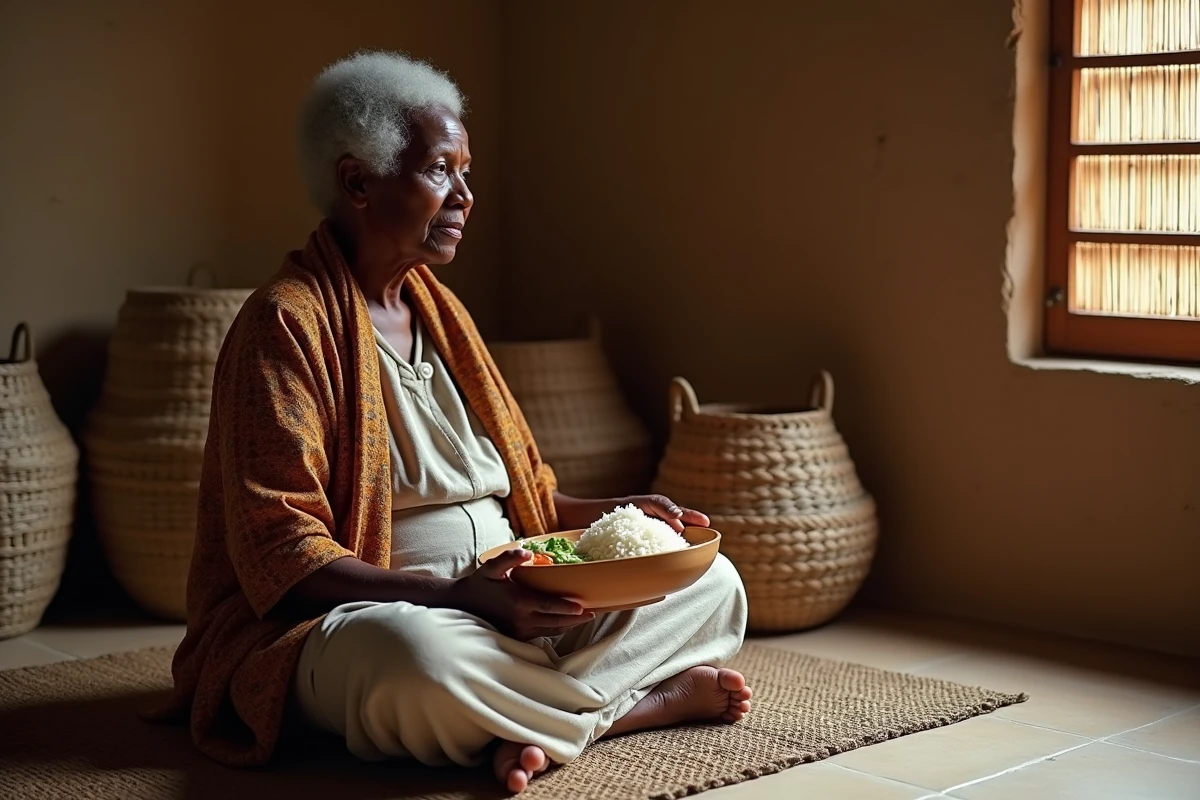
In Madagascar, some communities consider the consumption of pork to be a serious transgression, while others allow it without reservation. The respect or refusal of this dish varies not only from region to region but also within families themselves, depending on lineages and ancestral rules passed down. These prohibitions, known as fadis, stem from both religious prescriptions and customary practices. Their significance continues to influence eating behaviors, social relationships, and even daily life in many villages on the island.
The Cultural Origins of Food Taboos in Madagascar
The term fady resonates in every corner of Madagascar. It is a word that guides both daily actions and major decisions in collective life. From one region to another, the rules differ, rooted in the history of the group or in the memory of a significant ancestor. For some, what is eaten here is refused there; and even within the same family, the prohibition can fluctuate according to branches and the memory of the elders.
Beyond pork, many foods are also subject to restrictions. To better understand the variety of food taboos, here are a few concrete examples:
- Among the Betsimisaraka, poultry disappears from the tables on certain specific dates, thus respecting a family tradition.
- In areas close to lands sacred to the Vazimba, the legendary first inhabitants of the Great Island, certain products are excluded from ceremonies or communal meals.
These practices are rooted in a deep conviction: the spirits, often equated with ancestors, watch over the harmony of the group. Actions are taken out of fear of provoking discord or attracting misfortune to oneself and the clan. In Madagascar, committing a fady means confronting this invisible authority, risking a rupture that is both spiritual and social.
Transmission occurs orally, through example and repetition. Thus, distrust of pork is passed down from generation to generation, carried by memories of past ruptures, by fables that explain the emergence of the taboo in each family or village. To understand everything about this phenomenon, the article why Malagasy people avoid pork analyzes its origins and current implications.
Why Does Pork Generate So Much Reluctance in Certain Regions?
In many areas of the country, pork is not only subject to a dietary prohibition, but it embodies an entire system of values. Considered impure by some, it concentrates fears and sometimes symbolizes the boundary between the sacred and the profane. The memory of the Vazimba inhabits certain sites: on these lands, eating or even mentioning pork amounts to challenging collective memory, to breaking a fragile balance with the tutelary spirits.
Some places maintain a strict prohibition. Near Lake Tritriva or around the royal tombs of Antsirabe, merely mentioning pork is enough to offend sensitivities. Among the Andriana, the Malagasy nobility, the animal completely disappears from the diet to preserve ritual integrity and the purity of the lineage.
The taboo is also rooted in the religious plurality of the country. Several Malagasy of Muslim or Jewish faith rely on the prescriptions of their religion. On the Christian side, some Protestant or Adventist currents also reject pork. To these factors, sometimes additional health-related explanations are added: in a tropical climate, this meat presents preservation challenges that have left a trail of additional distrust in popular culture.
Refusing pork, therefore, is more than just a dietary choice: it is asserting an identity, marking one’s belonging, outlining the invisible contours of the community through what is shared, or not, at the table.

Adopting the Right Attitudes: How to Adapt and Respect the Fadis
It is difficult to sit at a Malagasy table without taking the time to understand the customs, as the fady vary from one corner of the island to another. Respecting these rules is not limited to a religious summons: it engages the memory and cohesion of the group around values passed down through generations.
Before sharing a meal or inviting someone, it is better to ask the question than risk causing offense. For many, violating a fady exposes one to illness, misfortune, or the disapproval of spirits much older than oneself. The elders, heads of families or local dignitaries, emphasize that words and customs forge the community day by day.
If pork is prohibited, there is no shortage of choices for those who wish to honor this diversity. Here are alternatives enjoyed in all regions:
- Rice, the unbeatable companion of meals, is paired with zebu, chicken, fish, or shellfish depending on the region.
- Vegetables and soy products, as well as turkey, easily replace pork while respecting local rules.
Eating together in Madagascar remains a foundational act: it is opening the door to others, sharing much more than just dishes. Asking for advice, listening to the story of the taboo, learning about its deeper meaning before sitting down to eat, is to recognize the depth of this social fabric, this living memory that connects every Malagasy to their land and lineage. On the Red Island, respecting the fady is not a mere formality: it is the key to accessing a world where, sometimes, the symbol weighs more than the menu itself.